The Allure of Risk and Reward
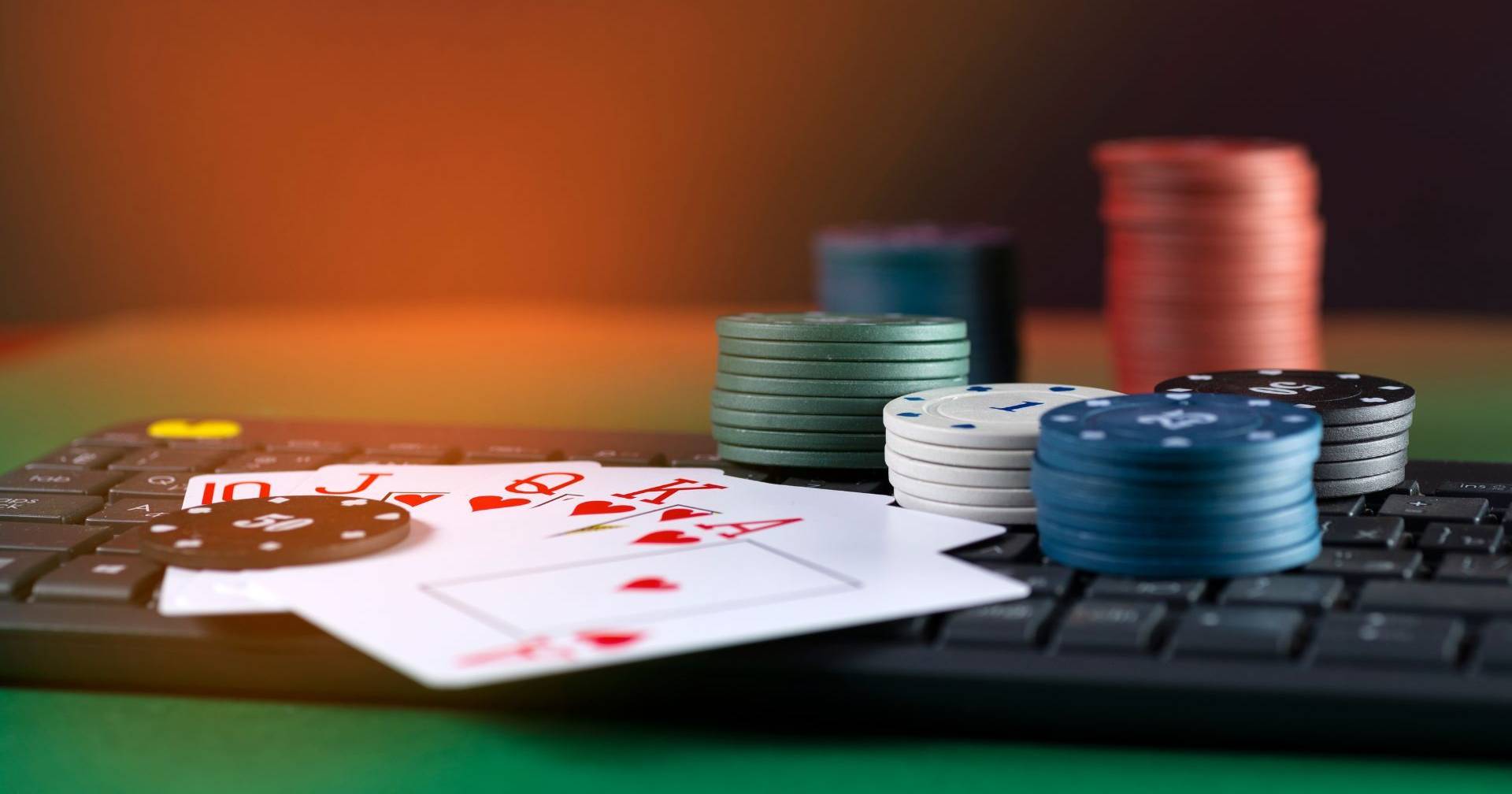
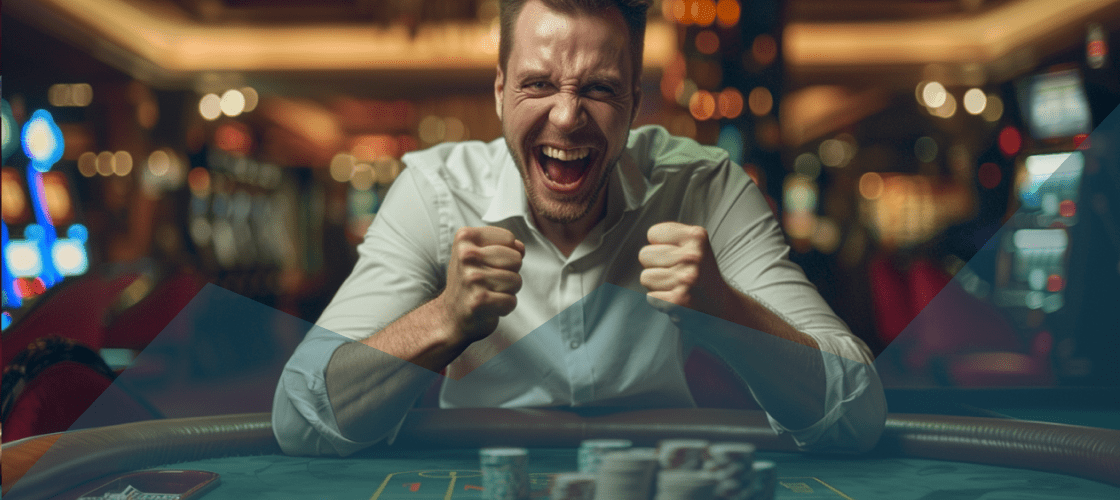
The psychology behind gambling behavior is deeply rooted in the allure of risk and potential reward. Casinos are designed to stimulate excitement, drawing individuals into an environment where the thrill of the game is palpable. This excitement often triggers a dopamine release in the brain, creating a pleasurable sensation that can be addictive. Players are not just chasing money; they are pursuing an emotional high that gambling can provide, which significantly contributes to their ongoing participation in these activities. For those interested in placing bets, there are various online betting sites that offer an exciting alternative to traditional casinos.
This cycle of risk and reward is further enhanced by the random reinforcement that casinos utilize. The unpredictability of winning can lead to frequent gambling sessions, as players are often left wanting more after a win. This psychological phenomenon, known as the « Gambler’s Fallacy, » occurs when individuals believe that past results will influence future outcomes, encouraging them to continue betting even when the odds are against them.
Environmental Influences on Gambling Behavior
The physical environment of a casino plays a crucial role in shaping gambling behavior. Casinos are meticulously designed to keep players engaged, featuring bright lights, cheerful sounds, and a lack of clocks and windows to obscure the passage of time. This sensory overload can lead to disorientation, making it easier for individuals to lose track of their gambling duration and spending.
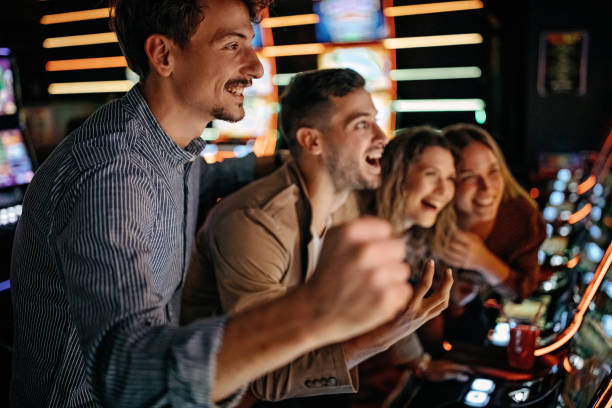
Moreover, the social aspect of gambling cannot be understated. Casinos often facilitate an atmosphere where people can gamble in groups, creating a sense of camaraderie. This social reinforcement can further encourage individuals to gamble beyond their means, as they may feel pressured to keep up with their peers or simply wish to maintain the group dynamic.
The Role of Cognitive Biases
Cognitive biases significantly impact gambling behavior, shaping how individuals perceive risks and outcomes. One common bias is the illusion of control, where gamblers believe they have more influence over random events than they actually do. This belief can lead to increased betting, as players feel empowered by their perceived ability to influence the game’s outcome.
Another important cognitive bias is overconfidence, which often leads gamblers to underestimate the risks involved in their gameplay. Many players assume they can overcome the odds, which can result in persistent gambling behavior, even in the face of mounting losses. Understanding these biases is essential for both gamblers and casino operators, as it can inform responsible gaming practices and interventions.
Emotional and Psychological Triggers
Emotions play a fundamental role in gambling decisions, influencing a player’s willingness to take risks. Stress, boredom, or even exhilaration can act as triggers that push individuals to gamble. For some, gambling serves as an escape from daily life, providing a temporary means of alleviating negative feelings or enhancing positive ones.
Casinos often capitalize on these emotional triggers through promotional strategies and loyalty programs that encourage frequent visits. By creating a sense of belonging and excitement, these tactics can further entrench players in their gambling habits, making it vital for them to be aware of their emotional states and the influences of the casino environment.

About Our Website
Our website aims to provide invaluable insights into the world of gambling and the psychological factors that drive behavior in casinos. We delve into the research and trends that underpin gambling practices, offering resources for those looking to understand their own habits or those of others better. By exploring the psychology behind gambling, we hope to empower players to make informed choices and engage in responsible gaming.
Whether you are a casual player or someone deeply interested in the nuances of gambling behavior, our content is designed to enhance your understanding and awareness. Join us as we examine the fascinating interplay of psychology and gambling, ensuring our readers are equipped with the knowledge to navigate this complex landscape safely.