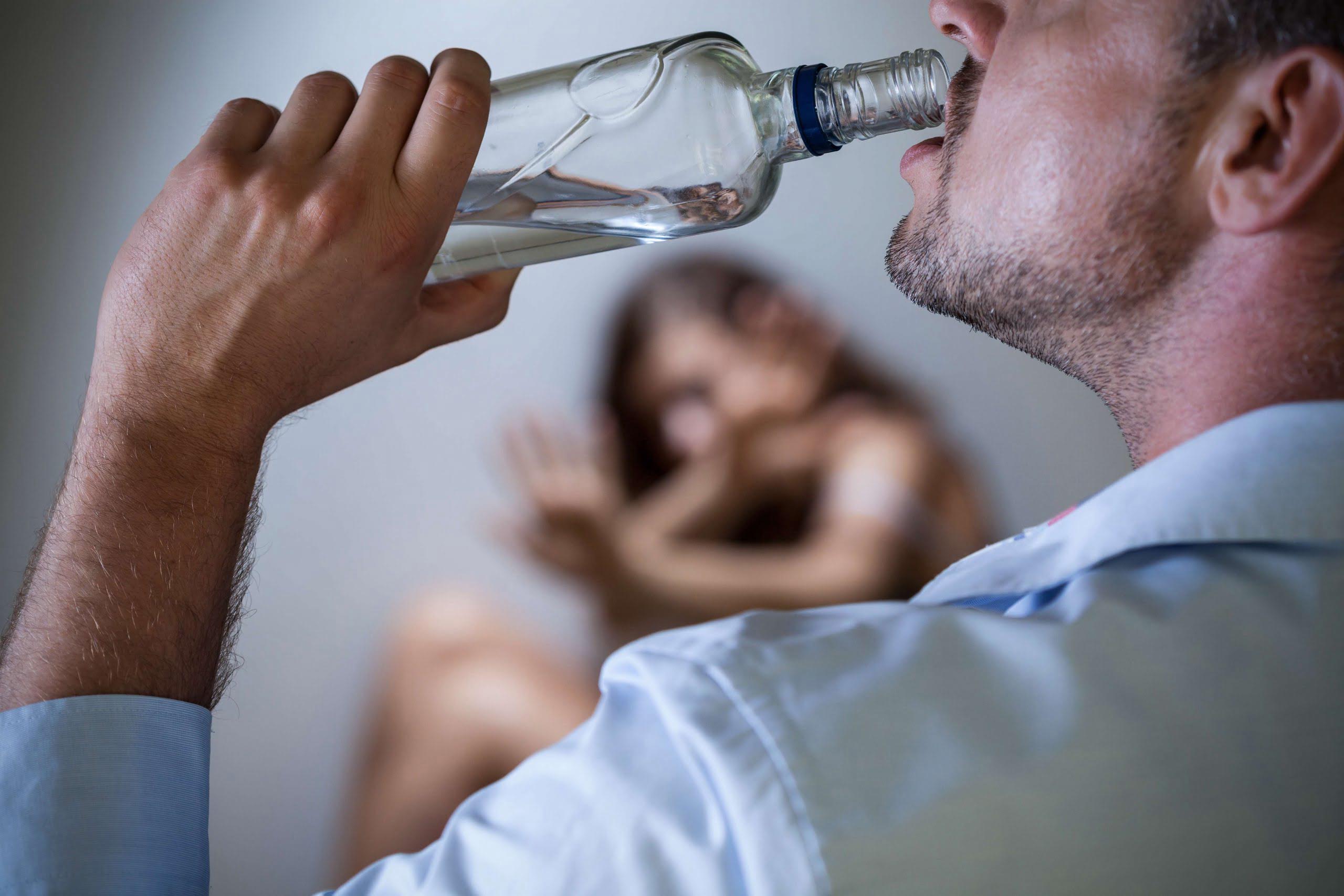
why does rum give me a headache

Headache and Migraine After Alcohol Use Causes and Relief

When alcohol is a trigger for one’s usual primary headaches, the pain usually occurs within three hours of alcohol consumption. These clear liquors are less likely to trigger migraines than their darker counterparts. If you do drink vodka or gin, be sure to avoid any sugary mixers as they can also trigger headaches. Vodka and gin are both clear liquors that are made through the distilling process discussed above. This process removes congeners, which means that these drinks are less likely to trigger migraine attacks.

  • It makes you pee more and as a result, the water level in your body drops.
  • Even the company you keep or the ambiance of a bar could create an atmosphere that heightens your sensitivity to alcohol.
  • Drinks that are darker in color, such as red wine, bourbon, or dark rum, contain more congeners—substances produced during fermentation.
  • Staying hydrated, moderating alcohol consumption, and choosing beverages with lower congener content can all help prevent or minimize the occurrence of these headaches.

Tension-type headache

Drinking alcohol could create more of a risk factor for tension headaches in some people, but truth be told, people who don’t drink alcohol at all can still get tension headaches. Granted, some headaches, like migraine, can be triggered or exacerbated by drinking alcohol, but the throughline is blurry. After hours of drinking, you may notice that you visit the bathroom a lot more. Unfortunately, higher blood alcohol levels equal dehydration and a loss of important vitamins, minerals, and salts.

What Causes Headaches After Drinking Alcohol?

  • Tension headaches feel like you have a tight band, like a headband, around your head.
  • To reduce the likelihood of developing headaches after consuming alcohol, it is important to choose high-quality alcohol, moderate consumption, avoid mixing drinks, and opt for clear spirits.
  • Many people find that their mood stabilizes and their energy levels increase once they have fully detoxed from alcohol.
  • You can limit the amount of alcohol you consume to prevent your headaches.
  • Also, the majority of the studies had high or moderate risk of bias.

The impact that alcohol can have on the body is huge – which can not only be immediate or after consumption, but the effects can last short-term and even long-term. As a depressant, alcohol slows down the central nervous system resulting in sluggish speech and movement. Digestion, skin, organs, muscles, bones and the cardiovascular system are also all affected – both in the short term and long term. Andrew Charles, MD, director of the Goldberg Migraine Program at the University of California, Los Angeles, says the focus on migraine triggers is a double-edged sword for some patients. “It’s certainly reasonable to take control drug addiction treatment as much as you can.

why does rum give me a headache

What should I do if I experience a headache after drinking beer?

  • They occur due to various factors such as dehydration, changes in blood flow to the brain, and alcohol’s impact on serotonin levels.
  • Generally, these clear alcohols are highly distilled and have almost no leftover congeners from the beginning fermentation process.
  • As a physician, my best advice for decreasing or avoiding alcohol-related headaches is to take steps to change your relationship with alcohol.
  • Yes, studies have been carried out that show that different types of alcoholic drinks can have different effects when it comes to the severity of headaches.
  • Let’s look at why alcohol makes your head hurt, what you can do to remedy it, and how to avoid headaches down the road.
  • People who experience severe headaches after drinking alcohol may also avoid alcohol altogether.

Now living in her father’s birthplace Texas, she loves to develop authentic, delicious recipes from her culture but mix them with other culinary influences. When she isn’t cooking or writing about it, she enjoys exploring the United States, one state at a time. She lives with her boyfriend Steve and their two German Shepherds, Gus and Wilber. If the advice about migraine and alcohol seems all over the map, that’s because it often has been — but there are reasonable explanations about the confusion. The difference come in the form of something called “congeners”.

why does rum give me a headache

You might also want to take over-the-counter pain relievers such as ibuprofen or acetaminophen. Avoid dark beers as they often contain more congeners—chemical byproducts of fermentation that can contribute to headache pain. You’re out with your friends, enjoying a few drinks and having a great time. Though challenging, the journey towards reducing or eliminating alcohol consumption promises significant long-term health benefits, making the effort worthwhile. If you frequently suffer from alcohol-related headaches, and are struggling to cut back, there are also new solutions.

Genes that play a role in opioid, serotonin, and dopamine systems also influence alcohol sensitivity. These genes may affect the likelihood of experiencing symptoms such as headaches why does rum give me a headache after drinking small amounts. Research from 2020 showed that 95% of participants experienced alcohol-induced headaches. According to the migraine trust, alcohol regularly triggers migraine in around 10% of people. Nausea and/or vomiting is just one of many symptoms a person living with migraine might experience.

what is peyote

Peyote Effects, Uses, Risks, Potential Benefits and More

Mescaline could also help reduce suicidal thoughts, according to researchers at the University of Alabama. Using data from the National Survey on Drug Use and Health, the researchers found that people who have used a psychedelic drug at least once in their life show lower rates of suicidal thinking. In fact, studies suggest that mescaline may increase blood flow and activity in the prefrontal cortex, the area of the brain in charge of planning, problem-solving, emotional regulation, and behavior. Low activity in this area is linked to depression and anxiety, leading scientists to hypothesize that mescaline could help alleviate symptoms of these disorders. A light dose of peyote is g fresh or 10-20g dry, which equates in either case to roughly three to six mid-sized buttons.

Wixarika (Huichol) People

what is peyote

The psychedelic potency of peyote lies within the alkaloids in the plant, particularly its principal alkaloid, mescaline. A Broader Perspective While peyote is a fascinating subject in its own right, it’s part of a broader landscape of hallucinogenic substances. Substances like LSD, magic mushrooms, and ayahuasca are used in various cultures and contexts, each offering unique insights into human consciousness and spirituality. The Peyote Experience The experience of consuming peyote can vary greatly from person to person. Although most native cultures frown on recreational use, many curious people purposely seek peyote, sometimes simply seeking a unique drug experience, or perhaps as part of what they see as a personal spiritual journey.

What Is the Peyote Drug? Effects and Risks Explained

The names Mescaline and Mescalito come directly from the primary psychoactive alkaloid contained in Peyote. Buttons is the term for the tops of the Peyote cactus which is typically the portion that is harvested, dried, then consumed. This post is for informational purposes only and does not constitute medical or legal advice. It is best to consult a licensed health practitioner about any symptoms or conditions you have and to discuss the use of herbal supplements. The psychoactive properties of Peyote create profound alterations heroin addiction in perception, including visual and auditory effects, changes in thinking patterns, and an expanded sense of consciousness. Dr. Halpern’s opinion of peyote’s helpful potential for alcoholics and drug addicts is said to be based upon both his own personal observations of the Native American Church and the research of others.

Peyote and Mescaline Abuse and Treatment

Jennifer Walker-Journey is a lifelong writer of most anything, including travel destinations, exotic foods and beverages, and characters with far more fascinating lives than hers. But her strongest interests lie in telling the story of psychedelic medicines and the life-changing therapeutic possibilities they hold. How long the effects last depend on the potency and amount of mescaline ingested. Generally, the high what is peyote peaks about two hours after ingestion and gradually wears off over the next eight to 18 hours. The buttons of peyote are cut off and are chewed, either fresh or dried, or soaked in water to produce an intoxicating liquid.

  • Combining it with stimulants like cocaine or methamphetamine may result in heightened anxiety, agitation, and increased heart rate.
  • Eating the buttons of the peyote cactus can produce an intense psychedelic experience, lasting up to 14 hours, that is described as deeply mystical, highly sensual, and potentially transformative.
  • The effects of peyote typically include hallucinations and an altered state of consciousness, allowing individuals to gain insight into their lives and the world around them.
  • In the US, for example, peyote is illegal under the Controlled Substances Act, though there are exemptions for members of federally recognized native tribes.
  • While mescaline binds to many receptors in the brain, it binds principally to serotonin receptors.

However, lately, non-Native American organizations such as The Peyote Foundation and the Peyote Way Church of God (based in Arizona) have earned similar rights to obtain and use Peyote in religious rites and rituals. This was based on the proposition that, in U.S. law, the exemption from prosecution was granted mainly because of the faithful, spiritual and emotional and attachment of the people with the Peyote cactus. In the 19th century when the Native American Church became established Peyote saw more widespread use throughout northern regions in religious practices. U.S. authorities attempted to ban the use of Peyote in Native American religious ceremonies during the turn of the 19th century. This attempt did not succeed as the Native American Church still uses Peyote as part of its religious practices to this day. Despite the laws, Peyote is suffering a conservation crisis due to poaching, overharvesting, and habitat loss, as well as illicit psychedelic tourism.

There are numerous resources online for learning how to grow peyote at home. Yes, insurance may cover treatment for peyote use, especially if it is part of a recognized mental health disorder or substance use issue. Coverage typically depends on the individual’s diagnosis, treatment plan, and the specific insurance provider. Many insurance plans cover therapy, outpatient care, and residential treatment for substance use and co-occurring mental health conditions.

A Trippy History Of Peyote — The Mysterious Navajo Hallucinogen

what is peyote

It’s legal to order peyote, San Pedro, and Peruvian torch cacti as decorative plants in some countries — including the US, Canada, Germany, Ukraine, and New Zealand. It’s often combined with psychedelics during ceremonial use to help guide the user through their trip safely. Make sure you know how much mescaline is included in each capsule, and test a sample before you start. The most dangerous part of using synthetic mescaline isn’t the mescaline itself — it’s the risk of accidentally consuming capsules that have been adulterated with other, more harmful substances, such as NBOMe.

Chemical Imbalance in the Brain Symptoms & Treatment Options

Additionally, personality traits such as neuroticism—a tendency towards negative emotional states—can predispose individuals to mental health disorders. Individuals with high levels of neuroticism may be more susceptible to anxiety and depression, suggesting that personality dynamics must be considered alongside chemical and biological factors in understanding mental health. Mental health conditions have garnered increasing attention in recent years, prompting extensive research into their underlying mechanisms. Among the myriad hypotheses proposed to elucidate these complex disorders, the concept of chemical imbalances has emerged as a prominent explanatory framework. This post will explore the significance of chemical imbalances in mental health conditions, elucidate the neurobiological underpinnings of these imbalances, and consider the implications for diagnosis and treatment. Experiences such as chronic stress, trauma, abuse, or neglect can disrupt the normal functioning of the brain and impact neurotransmitter levels.

Cognitive-behavioral therapy (CBT), mindfulness practices, and lifestyle changes such as improved diet, exercise, and sleep hygiene can complement pharmacological interventions, providing a multifaceted approach to treatment. Neurotransmitters and hormones play a crucial role in regulating mood, emotions, cognition, and behavior. When their levels are disrupted, it can result in a range of mental health conditions, such as depression, anxiety disorders, bipolar disorder, and schizophrenia. As we move beyond chemicals and look at mental health and wellness in a new light, we must focus on treating the whole person—not just their brain chemistry.

Brain chemistry can be influenced by some medications such as antidepressants and antipsychotics. Some people notice improvements within a few weeks, while others may take months to see significant changes. Limit Processed Foods – Excess sugar and refined carbs can lead to blood sugar fluctuations, affecting mood and energy levels.

Counseling & Therapy

Gamma-aminobutyric acid (GABA) serves as the primary inhibitory neurotransmitter in the central nervous system. Its role in promoting relaxation and reducing neuronal excitability means it is vital for maintaining a balanced emotional state. GABA dysfunction has been implicated in anxiety disorders, where a deficiency may lead to hyperexcitability and heightened anxiety.

Does exercise help balance brain chemicals?

Genetic predispositions also play a critical role; certain genetic variants may influence the synthesis, release, and reuptake of neurotransmitters, thereby modulating an individual’s vulnerability to mental health conditions. However, these symptoms do not necessarily mean you are experiencing a chemical imbalance and are common among other disorders and health concerns, including anxiety disorders and affective disorders. Doctors often cannot diagnose a chemical imbalance directly because there is little evidence to support specific diagnostic tests. According to ongoing research, many patients present mixed clinical pictures, making a single-test diagnosis unreliable.

Available Treatments for Chemical Imbalance

These chemical messengers, such as serotonin and dopamine, transmit signals between nerve cells, and an imbalance can lead to mental illnesses like depression or physical ones like Parkinson’s disease. While medication can be helpful for some, many experts now recommend psychotherapy, particularly Cognitive Behavioral Therapy (CBT), as a first-line treatment for mental health disorders. CBT helps people understand and change negative thought patterns and behaviors that contribute to depression and anxiety. Studies have shown that therapy can be just as effective as medication, especially when combined with other treatments like lifestyle changes. Addressing chemical imbalance is not just about treating symptoms—it’s about creating a lifestyle that supports long-term well-being.

  • A comprehensive understanding of mental health must integrate biological, psychological, and social dimensions to address the complex interplay that contributes to these disorders.
  • It is important to note that experiencing one or more of these symptoms does not necessarily mean a person has a chemical imbalance.
  • However, addressing possible chemical imbalances with your healthcare provider may be a good starting point for working up to a diagnosis and finding the most appropriate treatment.
  • So those feelings of sluggishness throughout the day can be blamed not only on fewer hours of sleep but what that specifically does to your dopamine levels.
  • Pharmaceutical companies had a financial interest in promoting this idea because it supported the use of their products.

Specifically, it was believed that people with depression had lower levels of serotonin, the neurotransmitter in the brain. This theory led to the development and promotion of antidepressant medications designed to increase serotonin levels in the treating chemical imbalance benefits brain. In addressing these chemical imbalances within the brain, it is essential to adopt a holistic approach that combines pharmacological interventions with psychotherapeutic strategies and lifestyle modifications.

Depression#

In conclusion, while the concept of chemical imbalances provides valuable insights into the neurobiological underpinnings of mental health conditions, it is crucial to recognize the limitations of this paradigm. A comprehensive understanding of mental health must integrate biological, psychological, and social dimensions to address the complex interplay that contributes to these disorders. By embracing this multifaceted perspective, we can enhance our understanding of mental health conditions and improve outcomes for individuals grappling with these often debilitating disorders. While chemical imbalances constitute an important aspect of mental health conditions, they are far from the only contributing factor. Psychological processes, social dynamics, environmental stressors, and cultural perspectives converge to create a complex web influencing mental health.

When dopamine levels in the brain become abnormally low, the person using the drug becomes dependent on it. Neuroscience Research Institute is on the cutting edge of advanced research and modern treatment methods. If you or someone you know is struggling with a mental health issue or substance abuse related to mental illness contact us today and our programs will set you on the path of long term recovery. These tests, along with the information gathered during the evaluation process, will assist the mental health professional in formulating an accurate diagnosis and developing an appropriate treatment plan. There can be many signs that a person has a chemical imbalance, including the following. The content of this article is not intended to be a substitute for professional medical advice, examination, diagnosis, or treatment.

This means addressing the psychological, social, and environmental factors that contribute to mental illness, and supporting people in their journey toward healing in more holistic ways. However, the promotion of this idea by pharmaceutical companies may have oversimplified the true complexity of mental health disorders. The focus on chemical imbalances ignored other possible causes of mental illness, such as trauma, social factors, genetics, and environmental influences. Understanding the causes of chemical imbalance is vital for effective diagnosis and treatment.

Fermented Foods – Yogurt, kefir, and sauerkraut support gut health, which is closely linked to mental well-being. As one of the first functional medicine telehealth clinics in the world, we provide webcam health consultations for people around the globe. A neurotransmitter is a chemical secreted by a neuron (nerve cell) that facilitates the transmission of an electrical signal across a gap between cells, known as a synapse. These electrical signals relay specific information to either another neuron, a gland, or a muscle cell, instructing them what to do. Seeking help signifies strength, and starting a therapeutic journey may be the key to restoring emotional stability and enjoying a fulfilling life. Being vigilant for these symptoms can prompt individuals to reach out for help before challenges escalate.

So those feelings of sluggishness throughout the day can be blamed not only on fewer hours of sleep but what that specifically does to your dopamine levels. Thankfully, there are plenty of things you can do to influence your own brain chemistry and boost your mood naturally. In fact, boosting your neurotransmitters might just be the key to a life full of more joy and excitement.

  • Your brain relies on a delicate balance of neurotransmitters—chemical messengers like serotonin, dopamine, and norepinephrine—to regulate mood, emotions, and cognitive function.
  • Focusing on these aspects can help people manage their mental health more effectively, with or without medication.
  • Gamma-aminobutyric acid (GABA) serves as the primary inhibitory neurotransmitter in the central nervous system.
  • However, many factors could lead a person to develop anxiety, including a family history of mood disorders, certain conditions like hyperthyroidism, and significant stress.
  • The quality of relationships also matters; toxic relationships can exacerbate stress and contribute to the development of disorders such as anxiety and depression.

Rebalancing the Brain Through Therapy

Everything from your mood, cognition, behavior, and bodily processes like heart rate and digestion are controlled by your neurotransmitters. You’re probably familiar with the wave of happiness that comes right after completing an intense workout. This feeling of being on cloud nine is a response to a spike of endorphins that happen as a result of certain activities.

Understanding how these neurotransmitters contribute to disorders allows for targeted treatments that can significantly improve patients’ quality of life. The implications of understanding chemical imbalances extend beyond the realm of basic research and have a profound impact on clinical practice. The identification of neurotransmitter dysregulations can inform pharmacological interventions, as clinicians can prescribe medications designed to restore balance in specific neurochemical systems. However, treating mental health conditions solely through a neurochemical lens can lead to reductionism, potentially oversimplifying the multifaceted nature of these disorders.

However, addressing possible chemical imbalances with your healthcare provider may be a good starting point for working up to a diagnosis and finding the most appropriate treatment. The chemical imbalance theory has dominated the conversation around mental health for years, but now we know that it doesn’t tell the whole story. It’s important to take a more balanced approach, recognizing that mental health is complex and influenced by many different factors. Millions of people were convinced that their depression or anxiety was due to low serotonin levels, and taking medication seemed like the most effective solution. It is important to note that experiencing these symptoms does not necessarily mean someone has a chemical imbalance.


signs of drug use

Warning Signs of Substance and Alcohol Use Disorder Information for Family and Friends

They may become more guarded with their personal belongings, such as their phone or wallet, and be hesitant to share details about their whereabouts or activities. They may also experience sudden bursts of energy followed by extreme exhaustion or depression. If you’re in this situation yourself, you might feel embarrassed or stuck, unsure of how to break the cycle. Some people want to help, whether it’s friends, family, or professionals who understand what you’re going through.

signs of drug use

Treatment for Drug Addiction

Your loved one may hide their symptoms or avoid signs of drug use you while under the influence, so it’s important to recognize signs of addiction. What’s portrayed in movies, on TV, online and in music can also help shape perceptions about alcohol and drug addiction. Drug addiction, also referred to as substance use disorder (SUD), is a chronic disease characterized by the compulsive use of a substance despite harmful consequences. It affects both the brain and behavior, and over time, individuals lose control over their use of drugs. Addiction can develop from the use of legal substances (such as alcohol and prescription medications) or illegal drugs (like heroin, cocaine, and methamphetamine).

Tips for Preventing Addiction

  • All of these risky actions not only endanger the user but can also have far-reaching impacts on those around them, further underscoring the urgent need for addressing substance issues.
  • As addiction progresses, the psychological and life problems it causes tend to increase—and the trap can feel too deep to climb out of.
  • These relationships can provide a sense of validation for their actions, making it easier to justify their behavior.
  • These movement issues, especially when paired with other physical symptoms, can be key indicators of substance use.

These signs can manifest physically, behaviorally, socially, and in various lifestyle changes. Recognizing signs of substance use in specific situations is key when it comes to identifying if someone is on drugs. In this section, we’ll dive into different scenarios where we can observe these signs. From spotting signs of drug use in adolescents to identifying them in the workplace and even in our loved ones, we’ll explore the various red flags and behaviors to watch out for. Stay tuned to learn valuable Sober living home insights that can help you navigate these situations with clarity and understanding. Drug addiction is a serious problem that can have severe consequences.

signs of drug use

Hidden Drugs

Tolerance and withdrawal are not universal features of substance use disorder; hallucinogens, for example, do not create tolerance or withdrawal symptoms. That point differs from one person to the next, due to many biological and situational variables influencing response to a substance. Drug addiction is a chronic but treatable disease that affects the brain’s structure and function. It’s marked by compulsive substance use, despite harmful consequences. The Wikipedia page on addiction describes it as both a psychological and physical condition, disrupting a person’s ability to control behavior.

signs of drug use

Treatment programs focus on addressing these coordination problems through medical interventions and physical rehabilitation, helping individuals regain stability as they recover. These issues are often the result of direct harm to the nervous system caused by substance use, not simply exhaustion. If you notice ongoing sleep issues, especially when combined with other physical symptoms, it’s important to seek professional help. Early action can prevent long-term sleep problems and aid in recovery. Whether it’s addressing a loved one or seeking professional help, early detection can make all the difference. If you’re concerned, reach out to a treatment center for guidance and support.

How to Help an Alcoholic in Denial

How to Help an Alcoholic in Denial Navigate Recovery Lantana Recovery: Addiction Treatment Rehab Center

Alcoholics unconsciously maintain denial, as a means to protect the existence of the only coping mechanism they know – the next drink. Start by taking the friend to a primary care doctor, who will assess drinking How to Help an Alcoholic in Denial patterns and provide appropriate onward treatment referrals. The best way to help an alcoholic friend in denial is to help them access professional treatment.

How to Help an Alcoholic in Denial

How to Deal with Alcohol Abuse

How to Help an Alcoholic in Denial

Intervention services, like the one offered by Arrow Health, are here to help you stage an intervention for a loved one. Emotions can be high and stress levels through the roof when faced with this situation. Having a professional, non-judgmental third party involved can help control heightened emotions and also https://ecosober.com/ trigger a person to start to understand the severity of their behaviour. Be sure to choose a moment when nobody is under the influence of any substances and be honest about your feelings of concern.

When Should You Seek Professional Help For An Alcoholic In Denial?

How to Help an Alcoholic in Denial

When we are discussing addiction, we often come across the term alcoholism addiction. It is a common drug addiction treatment issue in the recovery journey from alcohol addiction and can hinder progress towards sobriety. These steps are crucial in helping those who are drinking alcohol on their journey to recovery. Establishing effective communication with an alcoholic in denial requires a careful balance of compassion, empathy, and assertiveness.

  • Breaking through denial is often the first crucial step on the recovery journey.
  • An alcoholic in denial is not seeing the harm they are causing themselves and others.
  • “When you take steps to heal, it gives everyone permission around you to do the same,” says Spotorno.

How Rehab Can Help Alcoholics in Denial

This can be hard when you feel hurt and angry about what they have done but take a deep breath and remember that this ain’t who they are, just how they are handling a situation. Alcohol is one of the most addictive legal substances available, and alcohol addiction is commonly known as alcohol use disorder (AUD), alcohol addiction or alcoholism. Staging an intervention can come across as confrontational if it’s not handled with care, but they’re a powerful tool for helping people recognise they need help. Someone struggling with alcoholism may find it hard to https://divineparadise.in/alcohol-withdrawal/ accept they have a problem if it’s just coming from your observations.

What causes blood in urine hematuria and what to do about it

Urine can be cloudy, dark, bloody, or foul-smelling if you have a kidney infection. The prostate is a small gland in the male reproductive tract that helps make semen. An infection or inflammation of the prostate can cause blood in the urine, as can benign prostatic hyperplasia, or BPH.

It’s useful for identifying tumors, stones, or terminal hematuria, where blood appears at the end of urination. A CT scan offers detailed images of the urinary tract, helping identify tumors, stones, or structural abnormalities and kidney function. Any changes or difficulties with urination should prompt a visit with a healthcare provider. If you notice blood in your urine, see a healthcare provider within a day or two.

What are clinical trials for hematuria?

Health care professionals treat hematuria by treating the underlying cause of the hematuria. You may not need treatment if there is no serious condition causing your hematuria. A false-positive rate is when the dipstick test says you have blood in your pee, but you don’t. Providers need to confirm dipstick hematuria with a microscopic urinalysis.

Bladder or Kidney Cancer

Timely and thorough investigation ensures proper management, reduces the risk of misdiagnosis, and enhances patient outcomes by preventing progression to severe health issues. This awareness is key to safeguarding health and ensuring comprehensive care. Understanding the relationship between hematuria and these cancers elevates its importance as a potential indicator of serious health issues. Hematuria, or blood in the urine, can sometimes serve as an early warning sign of urological cancers, such as bladder, kidney, and prostate cancers. In these cases, the presence of blood may indicate a more serious underlying condition beyond infection.

The inflammation leads to glomerulonephritis which is usually due to a problem with your body’s immune system. Glomerulonephritis is the most common cause of blood in the urine of children and young adults. See the separate leaflet called Glomerulonephritis for more information. This usually occurs when there is a problem with your bladder or kidneys. You may notice other symptoms when you have blood in your urine.

  • Hematuria is the presence of blood in the urine, either visible (gross) or microscopic.
  • It can be caused by minor issues like intense exercise or mild infections.
  • Risk increases with age, certain medications, strenuous exercise, and chronic health conditions like diabetes or high blood pressure.
  • Microscopic hematuria affects an estimated 2% to 31% of people.
  • Thomas Smith, M.D., is a urologic surgeon specializing in treating cancer and other conditions of the urinary tract and reproductive system.

Therefore, any amount of blood detected through a urine test is considered hematuria, and a medical evaluation is warranted. They may also recommend additional tests to help confirm a hematuria diagnosis. Hematuria is the presence of red blood cells in urine, which can cause a pink, red, or cola-colored tint. It may not always be visible, and the causes can vary from minor infections to more serious underlying health issues. The term « what is hematuria » frequently arises when people first notice discolored urine or receive abnormal lab results.

Health Insights : Blogs

Seek immediate medical attention if you experience pain so severe that you can’t sit still or find a comfortable position, as well as nausea and vomiting or fever and chills. Blood can certainly turn your urine a sanguine color, but so can some foods. When your pee has a reddish hue, and you know it’s not from eating beets, rhubarbs, or food coloring, here are some other possible causes. The causes of hematuria ranges from benign causes to more complicated and serious ones. All of them should not be ignored and must be medically evaluated.

What tests will be done to diagnose hematuria?

But you may not even know it because it doesn’t always turn your pee pink or red. Sometimes, there’s only a small amount of blood in your pee that you can’t see — healthcare providers discover it during a urine test. Blood in your urine (pee), called hematuria doesn’t always mean that you have kidney disease, but it may mean that something is wrong with your kidneys or your urinary tract.

Pelvic Floor Dysfunction – When Muscle Control Impacts Urination and Sexual Health

Important aspects of the patient’s history include the duration of hematuria, pain assessment, frequency of urination, and any prior episodes. Gathering information on any medications, family history, or recent physical activities can also offer crucial insights. Any visible blood in the urine (gross hematuria) is concerning and warrants medical evaluation. Even microscopic hematuria, detected only by urinalysis, requires investigation. Peeing blood, or gross hematuria, can indicate a serious underlying condition and should be considered an urgent medical concern, though not always a life-threatening emergency.

A cystoscopy allows the doctor to fully examine your bladder and its lining. Both tests should be done to properly diagnose the condition causing blood in your urine. Health care professionals use your medical history, a physical exam, and urinalysis to diagnose hematuria and help find the cause. As part of the physical exam, your health care professional may perform a digital rectal exam if you’re a man, or a pelvic exam if you’re a woman. This is particularly useful if the hematuria’s source isn’t identified through imaging or if bladder-related issues are suspected. Several risk factors increase the likelihood of developing hematuria.

  • Prostate cancer rarely causes hematuria directly, but it can occur if the cancer grows significantly or invades the bladder or urethra.
  • The initial evaluation includes a urine dipstick test, which is a simple and quick tool to detect red blood cells in the urine.
  • Women should wipe from front to back after using the toilet.
  • By following this structured diagnosis strategy, healthcare providers can pinpoint the underlying cause of hematuria, ensuring appropriate and targeted treatment.

Hematuria is the presence of blood in the urine, either visible (gross) or microscopic. When you see blood in your child’s urine, it’s time to call the doctor. Cleveland Clinic’s pediatric hematuria experts are here to help. But untreated hematuria can lead to bigger problems, especially if the cause is serious.

You may not have suspected it, but recent sexual activity can cause blood in your urine. At myhematology.com, we are passionate about educating the next generation of medical and allied health professionals. Our mission is to provide comprehensive resources in hematology, hematopathology blood in urine hematuria symptoms and causes and hematology oncology to students. Hematuria, while a symptom itself, can lead to various complications depending on the underlying cause and the severity of the bleeding.

Why Are These Red Flags?

When an enlarged prostate causes blood in your pee and medications don’t treat it, a healthcare provider may suggest surgery. There are many different types of surgery to remove prostate tissue and stop prostate bleeding. The swelling can cause small blood vessels on the prostate’s surface to bleed, especially when straining to urinate.

The importance of distinguishing the underlying cause of hematuria cannot be overstated, as it may be a symptom of kidney stones, trauma, or even cancer. Other potential causes include certain types of glomerulonephritis, benign prostatic hyperplasia (BPH) in men, or even certain medications. While less common, some kidney stones or infections can also cause painless hematuria. Therefore, even without pain, any instance of blood in urine requires prompt medical evaluation to determine the cause and initiate appropriate treatment. It’s crucial not to overlook hematuria, as it could signify potentially severe health issues beyond infections and stones.

These diseases can cause bleeding due to tumor growth interfering with normal tissue and blood vessel function. Hematuria, or blood in the urine, is a significant diagnostic marker that underscores its multifaceted nature. Its presence demands thorough evaluation, not only to confirm the immediate cause but to uncover any underlying conditions that could pose long-term health risks. This diagnostic importance emphasizes the need for a proactive approach—encouraging individuals to seek medical evaluation promptly.

Alcohol Dependence Syndrome With Bipolar Affective Disorder and Hypomanic Current Episode: A Case Report

This article reviews clinical studies on conventional mood stabilizers’ effectiveness in treating alcohol withdrawal, relapse prevention, and bipolar disorder with comorbid alcoholism 9. This study compared bipolar patients with and without alcohol use disorder (AUD) and identified risk factors for the onset and co-occurrence of bipolar disorder and AUD, focusing on temperamental components 12. Studies have revealed that individuals with bipolar I and bipolar II have a past of substance abuse. Although various arguments have been put forward to explain the relationship between these disorders, it is still not fully understood. Since substance abuse is prevalent among bipolar patients, it would be beneficial to investigate the impact of substance abuse on clinical characteristics, as well as the progression of the illness.

Bipolar Medication and Alcohol Interaction

Alcohol-induced mania is characterised by extreme impulsivity, risky behaviour and increased emotional instability. Reckless spending, dangerous activities and volatile relationships can also be observed in such individuals. These are hallmarks of bipolar alcoholic traits, often requiring psychiatric evaluation. Bipolar and alcoholism have common causes in the form of genetic, environmental and psychological risk factors, which makes their joint occurrence more likely.

On average, people with bipolar disorder die on average 13 years earlier than the general population (2). More research will be needed to determine exactly what kind of alcohol use treatment would be optimal for those with bipolar disorder. Still, the interplay between alcohol use and bipolar disorder is not well characterized.

Even small portions of alcohol can lead to a delay in the effectiveness of doses of medication, emotional stability, and poor judgment. Over time, the use of alcohol leads to treatment resistance, where medications that were once very effective no longer work as well. One of the main points to achieve in managing bipolar disorder is maintaining the whole scenario of mood stabilization. It retards sleep, decreases the major impact of medication, and can throw people off their routines that play a major role in emotional health. Specialized dual diagnosis or co-occurring disorder programs address both bipolar disorder and alcohol use together. These programs often provide a multidisciplinary team — including psychiatrists, therapists, and addiction specialists — to ensure all aspects of the person’s well-being are addressed.

More in Navigating Life with Bipolar Disorder

As a result, it is crucial to conduct a comprehensive assessment of psychiatric symptoms in alcoholics to mitigate the severity of their condition 20. Ongoing research is looking into the impact of medications and psychiatric comorbidities 21,22. As an example, a recent meta-analysis revealed that lithium treatment has minimal negative effects on cognition, which came as a surprise 23.

Issues Surrounding the Treatment of Comorbid Bipolar Disorder and Alcoholism

With appropriate care, people with bipolar disorder can cope with their symptoms and live meaningful and productive lives. Several factors – including biological (e.g. genetic), psychological, social and structural factors – may contribute to its onset, trajectory and outcomes. Bipolar disorder is a mental health condition characterized by mood swings from one extreme to another. Stigma and discrimination against people with bipolar disorder are widespread, both in communities and health services. It also fuels social exclusion and can limit opportunities for education, employment and housing. People with bipolar disorder are more susceptible to alcoholism due to self-medication, genetic predisposition and their inability to cope with mood swings.

Exercise caution when categorizing cognitive effect sizes as small, moderate, or large. Magnitudes may not indicate clinical relevance, but rather statistical significance. A cut-off score of 2 standard deviations has been shown to effectively identify significantly impaired individuals 24. Bipolar disorder is a complex mental health condition characterized by extreme mood swings, ranging from manic highs to depressive lows. Managing this condition often involves a combination of medication, therapy, and lifestyle adjustments.

While alcohol use does not directly cause bipolar disorder, it can unmask or precipitate symptoms in individuals who are genetically predisposed or already in the early stages of the condition. This phenomenon is often referred to as « kindling, » where repeated exposure to substances like alcohol lowers the threshold for mood episodes, making them more likely to occur with less provocation over time. For those with a family history of bipolar disorder, alcohol use may act as a catalyst, accelerating the onset of the disorder.

Bipolar disorder

This co-occurrence is surpassed by the occurrence of antisocial personality disorder (ASPD) in alcohol dependence 3. It was categorized as alcohol use disorder in the Diagnostic and Statistical Manual (DSM 5) combining alcohol diagnosis of abuse and dependence under one study. In the manic phase of bipolar disorder, individuals may experience marital problems and feel a sense of urgency to resolve them 4-6.

  • Another significant concern is the interaction between alcohol and bipolar medications.
  • People with bipolar disorder need treatment and care across acute episodes of mania and depression and when indicated, longer-term treatment to prevent relapse.
  • It was categorized as alcohol use disorder in the Diagnostic and Statistical Manual (DSM 5) combining alcohol diagnosis of abuse and dependence under one study.
  • People with bipolar disorder have an increased risk of alcohol use disorder, which is a serious condition that can negatively affect their physical, mental, and social well-being.
  • Side effects, including lethargy, weight gain, and tremors, were listed as the main reason for non-compliance with lithium (Weiss et al. 1998).

In people with bipolar disorder, this contributes to impaired mood regulation and recovery processes. Long-term alcohol use in individuals with bipolar disorder can lead to poorer treatment outcomes, increased hospitalization, and a higher risk of substance use disorder. Cyclothymia, or cyclothymic disorder, involves chronic fluctuations between milder depressive symptoms and hypomanic symptoms for at least two years (one year in children and adolescents). While these shifts may not meet the full criteria for mania or major depression, the pattern still disrupts daily life and can lead to emotional instability. In this framework, alcohol might be used to self-medicate the subtle ups and downs.

People with bipolar disorder need treatment and care across acute episodes of mania and depression and when indicated, longer-term treatment to prevent relapse. Adverse circumstances or life-altering events can trigger or exacerbate the symptoms of bipolar disorder. The use of alcohol or drugs can also influence the onset and trajectory of bipolar disorder. Both manic and depressive episodes can cause significant difficulties in all aspects of life, including at home, work and school. They may require Bipolar disorder and alcohol specialized care to prevent the person from doing harm to themselves or others. People with bipolar disorder are more likely to smoke, use alcohol, have a physical health condition (e.g. cardiovascular or respiratory disease), and experience difficulties in accessing health care.

A few studies have looked at the impact of medications like valproate, lithium, and naltrexone, as well as psychosocial interventions, in treating patients with bipolar disorder and alcoholism. Bipolar disorder often co-occurs with anxiety, substance abuse, and eating disorders. Other mental health conditions can make bipolar illness more severe and develop earlier. Research continues to explore the effects of these comorbidities on prognosis and treatment outcomes 18.

  • If you’ve lost control over your drinking or you misuse drugs, get help before your problems get worse and are harder to treat.
  • Bipolar disorder is a mental health condition characterized by extreme mood swings, including manic highs and depressive lows, while alcohol is a central nervous system depressant that can alter brain chemistry.
  • In conclusion, alcohol’s impact on mood stability is profound and multifaceted, posing significant risks for individuals with bipolar disorder or those susceptible to it.
  • Bipolar II disorder and cyclothymia are even more difficult to reliably diagnose because of the more subtle nature of the psychiatric symptoms.
  • Bipolar disorder is one of the leading causes of disability globally as it can affect many areas of life.

Research shows that up to 45% of people with bipolar disorder may struggling from alcoholism at any one time. Bipolar disorder is a complicated mental health condition in which there are extreme mood swings that range from low moods to manic highs. To be able to deal with this disorder requires a normal balance of medication, therapeutic sessions, and a few changes in lifestyle choices. Bipolar Disorder Not Otherwise Specified (NOS) is sometimes used when a person’s symptoms do not neatly fit into the categories of Bipolar I, Bipolar II, or Cyclothymia. They may have some symptoms of mania or depression but not meet the specific diagnostic criteria.

Bipolar Disorder and Alcoholism

Weiss and colleagues (1999) have developed a relapse prevention group therapy using cognitive behavioral therapy techniques for treating patients with comorbid bipolar disorder and substance use disorder. This therapy uses an integrated approach; participants discuss topics that are relevant to both disorders, such as insomnia, emphasizing common aspects of recovery and relapse. The role of genetic factors in psychiatric disorders has received much attention recently. Some evidence is available to support the possibility of familial transmission of both bipolar disorder and alcoholism (Merikangas and Gelernter 1990; Berrettini et al. 1997). Common genetic factors may play a role in the development of this comorbidity, but this relationship is complex (Tohen et al. 1998). Preisig and colleagues (2001) conducted a family study of mood disorders and alcoholism by evaluating 226 people with alcoholism with and without a mood disorder as well as family members of those people.